UEFA Champions League
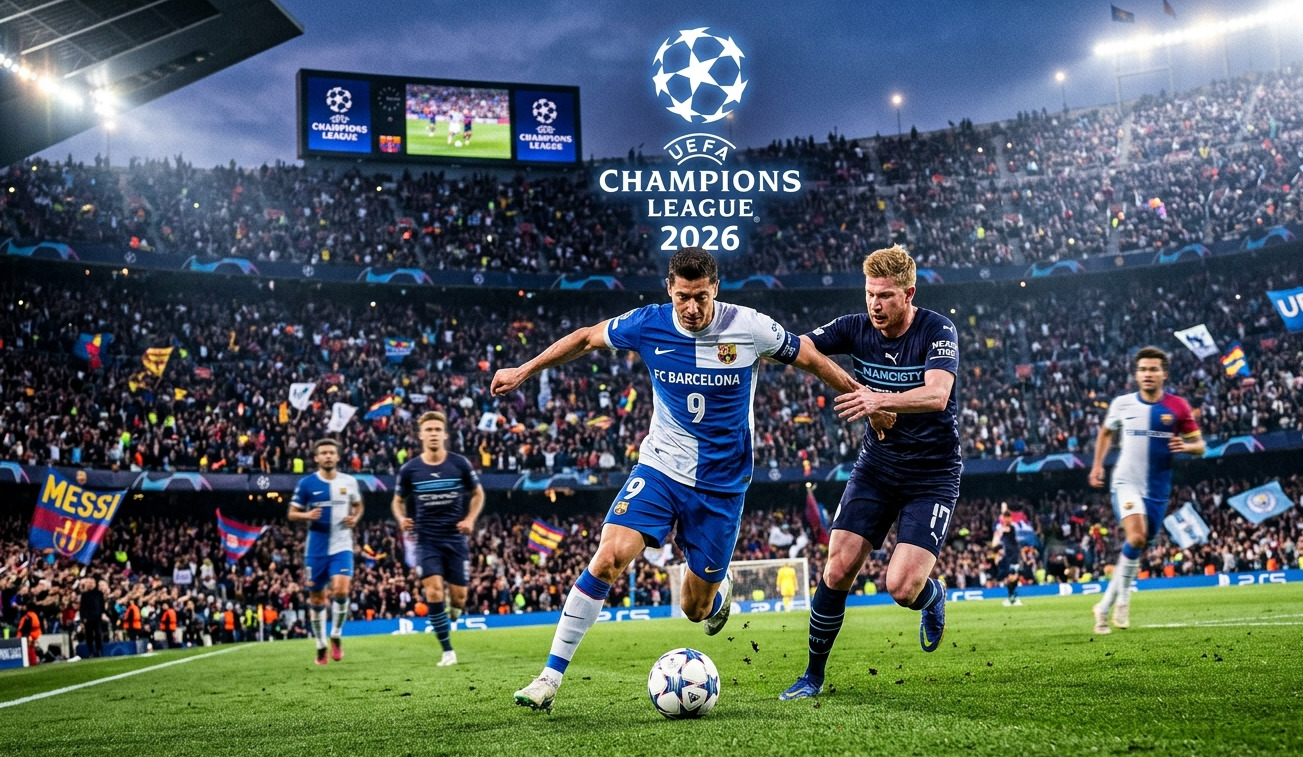
The UEFA Champions League is the most prestigious club football tournament in Europe, organized by the Union of European Football Associations (UEFA). Since its inception in 1955, it has become not only the primary competition for the best teams on the continent but also a global football event that attracts millions of spectators every year. The Champions League is a benchmark of excellence, where the strongest clubs meet, and every match is filled with high tension and quality football. For players and coaches, it is an opportunity to showcase their best skills and contribute to the club's history, while for fans, it is an event they eagerly await throughout the year.
🔥🔥 Play 🔥🔥History and Evolution of the Tournament
From the European Cup to the Champions League
The European Cup was established in 1955 at the initiative of Gabriel Hanot and became the first tournament where only champion clubs from different European countries could participate. Initially, it was organized in a knockout format, with the winner determined after a series of matches between the strongest teams. However, in 1992, to expand the tournament and increase its appeal, a rebranding occurred, and the competition was renamed the UEFA Champions League. During this period, important attributes such as the anthem and the logo of the tournament were introduced, making the Champions League an even more recognizable event.
Reforms and Changes in the Participants' Composition
Comparison of Champions League Formats
| Parameter | Old Format (Before 2024) | New Format (Since 2024) |
|---|---|---|
| Number of Teams | 32 teams | 36 teams |
| Group Format | 8 groups of 4 teams | No groups, single tournament table |
| Number of Matches per Team | 6 matches (each team plays against three opponents home and away) | 8 matches (4 home and 4 away against different opponents) |
| Playoff System | Top 2 from each group advance to the playoffs | Top 8 teams advance directly to the Round of 16, 9th to 24th place play knockout matches |
| Teams with the Lowest Results | 3rd place teams move to the Europa League | Teams finishing below 24th place are eliminated from European competitions |
Over time, the format of the tournament changed: initially, only national league champions could enter the Champions League, but with the introduction of UEFA coefficients, clubs finishing high in their leagues but not winning the championship were also allowed to participate. These changes significantly expanded the pool of participants and increased competition. Each year, the Champions League became a more global event, and the quotas for the strongest football associations continued to increase, allowing top clubs from leading leagues to earn more spots in the tournament.
New Format: "Swiss System" (from the 2024/25 season)
Single Stage Instead of Groups
Starting from 2024, the Champions League will adopt a new format — the "Swiss system," in which the tournament will no longer consist of traditional groups. Instead, there will be a single table of 36 teams. Each club will play 8 matches — 4 at home and 4 away against different opponents determined by the draw. This new format means more matches for each team, making the tournament even more exciting and interesting.
Playoff System
According to the new format, the top 8 teams advance directly to the Round of 16, and the clubs finishing in 9th to 24th place will play knockout matches for a spot in the next round. Clubs that do not make it into the top 24 will be eliminated from European competitions entirely. This system ensures that every match matters and maintains the excitement until the very end of the tournament.
Advantages of the New Format
The goals of the reform are to increase the number of exciting matches, boost revenue, and maintain competitive interest until the last round. The new Champions League format promises to be more dynamic, with more encounters between top clubs, making the tournament even more attractive to viewers and sponsors.
Participation Rules and Licensing
Qualification and UEFA Coefficients
Participation in the Champions League depends on the position of the country in the UEFA association rankings. The higher the position, the more spots are allocated to clubs from that country. Additional "European spots" are also awarded to the top two associations from the previous season. These changes help ensure the representation of the strongest leagues and clubs.
Financial Stability and Club Licensing
UEFA imposes strict requirements on clubs that wish to participate in the Champions League. Clubs must obtain a license, meet infrastructure standards, and ensure financial stability. One of the key rules is the "squad cost ratio," which limits spending on a squad to 70% of a club's revenue. This rule aims to prevent financial crises and maintain long-term stability for the clubs.
Symbolism and Traditions
Anthem and Musical Protocol
The Champions League anthem is an iconic piece of music composed by Tony Britten in 1992. Its performance before each match is a ritual, with clubs lining up on the field as the music begins. The anthem has become an integral part of the tournament, symbolizing its prestige and grandeur.
Champions League Trophy ("Big Ears")
The Champions League trophy, known as the "Big Ears," was created in 1967 by designer Jürg Städelmann. The cup is a silver trophy with large handles and a distinctive design. The original trophy remains with UEFA, and the winning clubs receive a full-size replica, which becomes a part of their history.
Branding and Commercial Zones
The Champions League is known for its strict standards regarding advertising at stadiums. Under the "clean stadium" concept, no advertisements are allowed except for those belonging to the tournament's official partners. This helps maintain the brand's identity and makes each match unique.
Tournament Economics: Revenue and Prizes
Prize Fund Distribution
The Champions League prize fund includes fixed amounts for participation, bonuses for wins and draws, and payouts for final placement in the standings. For example, participation in the group stage brings €18.62 million, and additional rewards depend on the results of each match.
Value Pillar System (TV Rights)
The distribution of Champions League marketing rights involves a complex system that depends on the value of the national TV market and the historical ranking of the club. The higher the significance of clubs for viewers in different countries, the more they receive from this system.
Legendary Achievements and Records
Most Titled Clubs
Real Madrid is the absolute leader of the Champions League with 15 titles. Other highly successful teams include Milan, Bayern Munich, and Liverpool, who regularly demonstrate high levels of play and compete for the most prestigious tournament awards.
Player Records: Ronaldo, Messi, and Others
Cristiano Ronaldo, with over 140 goals, is the all-time top scorer in the Champions League, and Lionel Messi also continues to hold high positions. In addition, players set records for the most matches and assists, further adding to the tournament's value and historical significance.
Coaching Triumphs
Carlo Ancelotti is the only coach to have won the Champions League five times. His achievements highlight the high level of skill required to win in such a competitive tournament and his importance in the history of European football.
Greatest Comebacks in History
The Champions League is known for its dramatic and unpredictable moments when teams have made incredible comebacks. Games like "La Remontada" (Barcelona vs PSG) or the final in Istanbul (Liverpool vs Milan) will forever remain in football history, and Manchester United's victory in 1999 serves as a shining example of how the impossible can become reality.
Conclusion
The UEFA Champions League is not just a tournament, but the pinnacle of club football, bringing together the best clubs and players. The new format, which will take effect in the 2024/25 season, promises to make the competition even more exciting and profitable, opening new horizons for the development of European club competitions.
Information and Questions
📚 What is the UEFA Champions League?
🦄 How are teams selected to participate in the Champions League?
😀 Teams qualify based on their performance in their domestic leagues, with the best teams from each country securing spots. Additionally, UEFA coefficients also influence qualification.